 English
2026年5月14日
2026年 神戸市外国語大学 佐伯市フィールドワーク「持続可能な市民参加型観光開発」を実施しました
国際関係学科のSingh Rajeev Kumar准教授と松田裕美准教授が、2026年3月18日(水曜)から21日(土曜)にかけ、大分県佐伯市および別府市において、「持続可能な市民参加型開発」をテーマとしたフィールドワークを実施しました。本フィールドワークは昨年に続き2回目の開催であり、今年は立命館アジア太平洋大学(以下、APU)との合同プログラムとして行われました。本学からは、SDGsや持続可能な開発に関心を持つ学生3名が参加し、さらにAPUからは、自然共生システムを研究するMahichi Faezeh教授の研究室に所属する留学生2名が参加しました。
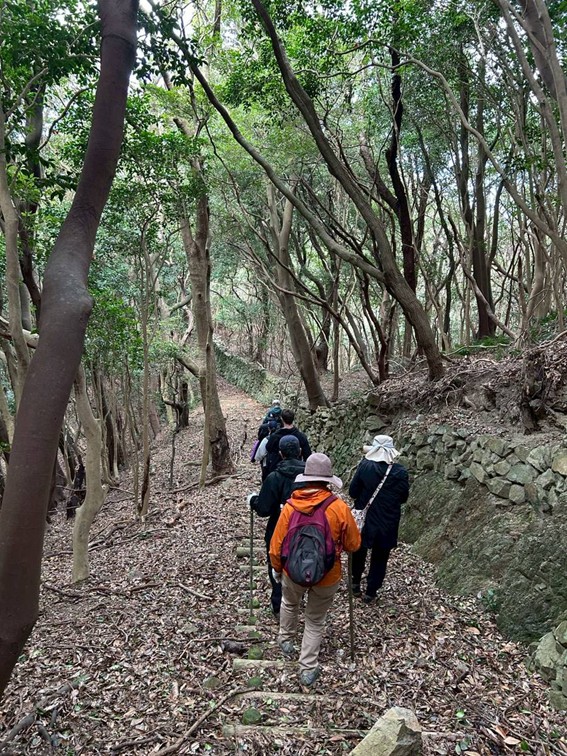
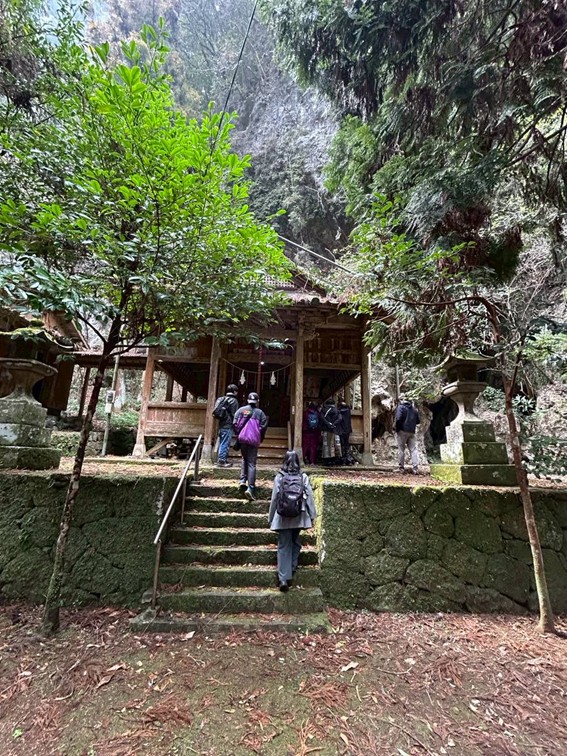
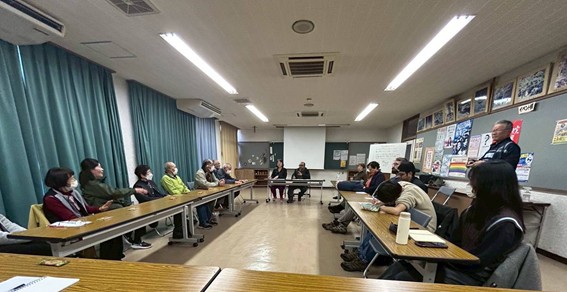
前半は、佐伯市において、地域の歴史遺産の保全や自然保護に関する取組について市民グループから説明を受けた後、歴史的遺跡であるしし垣の現地調査を行いました。また、本匠地域の住民の協力を得て、自然環境の保全に対する意識や取組に関する情報収集や、佐伯市の緑空間が地元住民のメンタルヘルスに与える影響について議論しました。さらに、建設発生土を再生資源として農産物の生産に活用する実験に取り組む佐伯の地元企業を訪問し、循環型資源利用と佐伯市の活性化に向けた取組に関する実践的な知見について講義を受けました。
後半は、別府市のAPUを訪問し、さらに大分市において、有機農業と地域コミュニティの共生を推進する「おおいたオーガニックマーケット」の主催者や大分市の職員へのインタビューを行いました。農家や主催者、大分市役所の担当者との交流を通じて、持続可能な地域づくりの取組への理解を深めるとともに、こうした取組が、地域に根差した低炭素な食料システムや地域密着の活性化を通していかにSDGsやパリ協定の目標、ネットゼロ目標に貢献するかについて理解を深めました。
本学は今後も、社会との協働により、適切な機会において同様のフィールドワークや地域・社会の持続的な活性に繋がる研究活動を実施したいと考えています。これらの活動を通じて、学生が現場での実践的な学びを深めると同時に、様々な社会課題の解決に貢献できる機会を提供します。この取組は、Project-Based Learning (PBL) の実例となり、学生と協働先の相互成長を促進することを目指します。
Associate Professors Singh Rajeev Kumar and Yumi Matsuda of the Department of International Relations conducted a fieldwork program from March 18 to 21, 2026, in Saiki City and Beppu City, Oita Prefecture, under the theme of "Sustainable Citizen-Participatory Development." This was the second time the fieldwork was organized, following last year's program, and it was held jointly with Ritsumeikan Asia Pacific University (APU). From our university, three students with an interest in the SDGs and sustainable development participated. In addition, two international students from APU, affiliated with the laboratory of Professor Mahichi Faezeh, who is an expert of nature-based symbiotic systems, also joined the program.
During the first half of the fieldwork in Saiki City, participants received a briefing from a local citizens group on initiatives related to the preservation of historical heritage and environmental conservation, followed by on-site visits to old shishigaki remains. Students also held discussions with residents of the Honjo area, who are committed to protecting the region's natural environment and traditional heritages, and collected data on local environmental awareness and community-based conservation practices, while also engaging in discussion on how green spaces in Saiki impact mental health of local people. Furthermore, students received a lecture by staff members of a local Saiki-based company conducting experimental projects that reuse construction by-products as recycled resources for agricultural production, gaining insights into practical approaches to circular resource use and solutions to revitalization challenges in Saiki.
The Kobe City University of Foreign Studies intends to continue strengthening collaborative relationships with society, and to promote research activities and fieldwork opportunities that contribute to sustainable regional development. Through these initiatives, students are able to enhance their practical learning through real-world engagement while also contributing to addressing diverse social challenges. This program serves as a model of Project-Based Learning (PBL), aiming to foster mutual growth between students and partners.